

Resilient Ankara Against Disasters: Cooperation for a Safer Future
Tarih: Date -
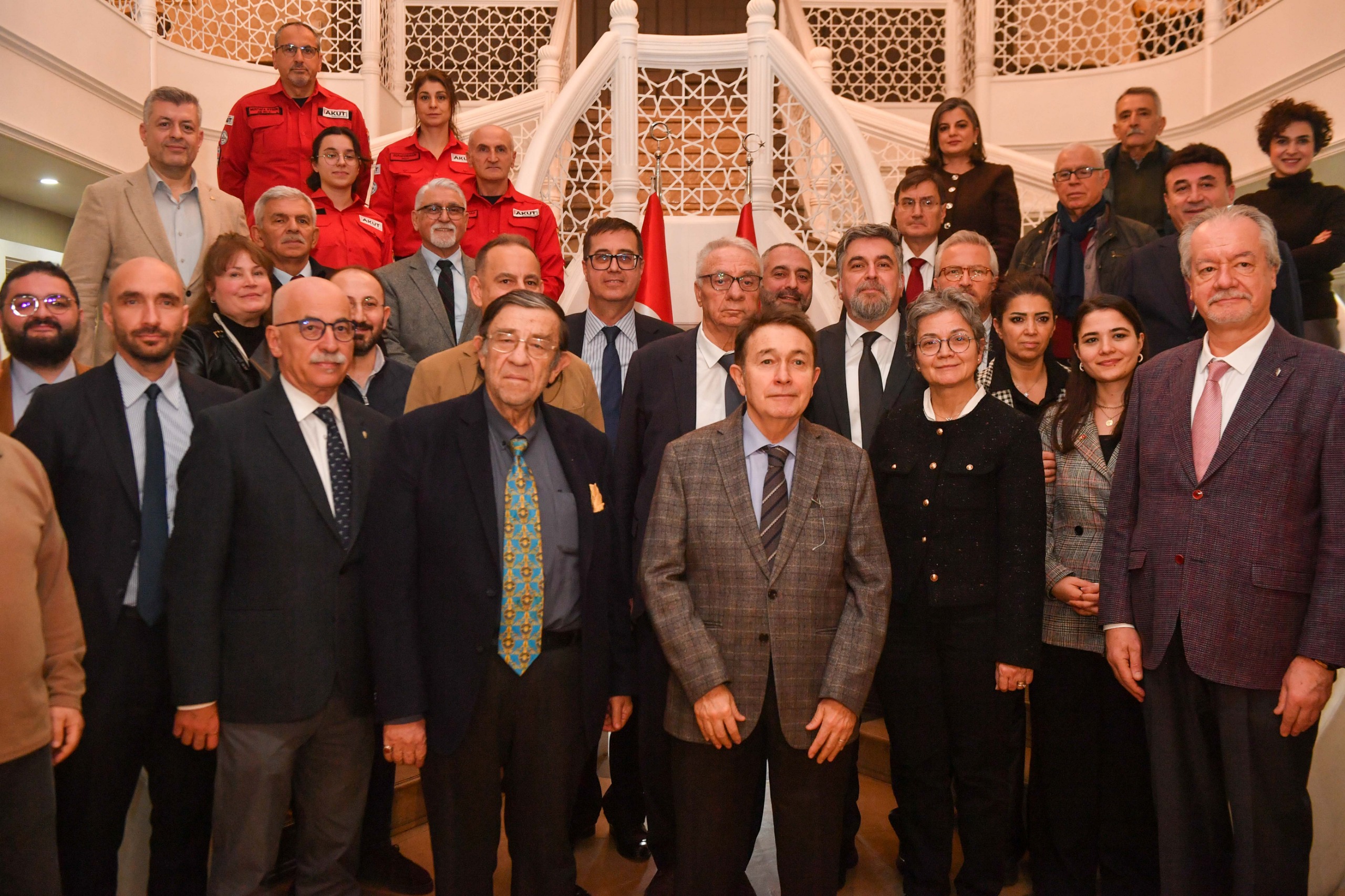
The event titled "Resilient Ankara Against Disasters – Taking Responsibility for Social Resilience, Defining the Roadmap for Safe Living" was held on February 17, 2026, at the Ankara City Council. The program was organized through the collaboration of the Disaster Management Foundation (TAM Foundation), TED University, and the Ankara City Council.
Organized on the anniversary of the February 6 earthquakes, the gathering paid tribute to the citizens who lost their lives. Representatives from the public sector, local governments, academia, the private sector, and civil society came together around a "common mind" with the goal of disaster risk reduction and building resilient cities.
In his opening speech, Prof. Dr. İhsan Sabuncuoğlu, President of the Board of Trustees of the TAM Foundation, emphasized that disasters are not merely natural events, but that the core issue lies in the failure to manage risk. Stating that "A resilient Ankara means a resilient Türkiye," Sabuncuoğlu noted that every $1 invested in disaster risk reduction prevents losses ranging from $4 to $7. He further highlighted that multi-stakeholder, science-based, and non-partisan cooperation is vital for disaster preparedness.
Roadmap for Resilient Cities Discussed
The event addressed solution proposals under two primary headings:
- Legal and Regulatory Solutions for disaster resilience.
- Technological Solutions for disaster resilience.
In panels featuring expert speakers, critical topics such as strengthening local government capacity, regulatory compliance, open data ecosystems, early warning systems, AI-supported decision-making mechanisms, and sensor/monitoring infrastructures were evaluated.
A Model from Ankara to Set an Example for Türkiye
The primary objective of the event was defined as "creating a concrete urban resilience framework that is applicable to Ankara and can serve as a model for other cities." Emphasis was placed on the importance of expanding cooperation to spread a culture of safe and resilient living.
The event demonstrated that facing disasters requires an approach focused not just on response, but on risk reduction, prevention, and proactive preparedness.